
How to Spot Roof Damage After a Storm: Atlanta Storm Damage Roofing Guide
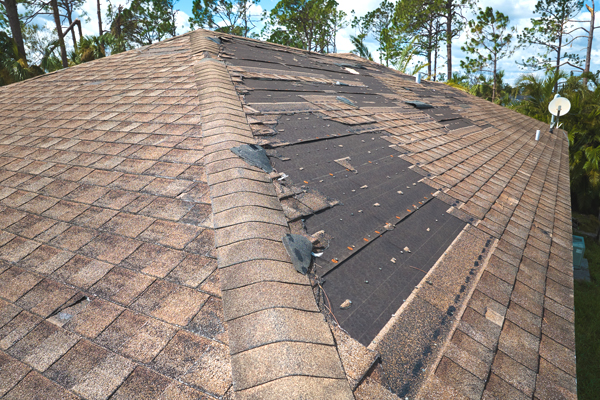
When spring storms rip through Atlanta, your roof takes the first hit. High wind, driving rain, and hail can loosen shingles, bend flashing, and open the door to leaks. This guide explains how to recognize roof damage after a storm and when to bring in the pros for help. If you see any of the warning signs below, schedule storm damage roofing with Elite Roofing Systems right away so small problems do not become major repairs.
We focus on safety first. You can spot many clues from the ground and inside your home. Leave climbing and repairs to a licensed Roofing Contractor. Do not climb onto your roof after a storm. Wet shingles are slick and debris can hide hazards.
Why Atlanta Roofs Take a Beating In Spring
From March through May, quick-moving fronts often bring strong straight-line winds, sudden downpours, and pockets of hail across neighborhoods like Buckhead, Midtown, Decatur, Sandy Springs, and East Atlanta. Roofs face rapid shifts from calm skies to gusts that can lift shingle edges and drive rain under weak points. Repeated storm cycles wear out aging shingles and expose seams around chimneys, skylights, and vents.
Roofs with prior wear are most at risk. Wind finds loose tabs, hail knocks off protective granules, and heavy rain tests every nail hole and flashing seam. Think of a storm as a stress test that reveals the weak link.
Warning Signs You Can Spot Safely From the Ground
You do not need a ladder to notice many storm issues. Walk your property when it is safe and dry, and look from several angles.
- Shingle pieces on the lawn, driveway, or in gutters, especially around valleys and eaves
- Tabs that look lifted, creased, or curled along ridges and edges
- Areas that appear patchy or bare where hail knocked off granules
- Bent, missing, or rust-streaked flashing near chimneys and sidewalls
- Sagging gutters, loose downspouts, or clogged leaders spilling water at the foundation
Take clear photos from safe spots. Do not step on wet decks or lean over railings to get a closer view. Pictures help your Roofing Contractor see what happened and track spreading damage over time.
Inside Your Home: Signs Of Water Intrusion
Storm damage often shows up indoors first. Start with rooms on the top floor and attic spaces. A quick check can prevent small leaks from turning into damaged drywall or flooring.
- Brown or yellow ceiling stains, especially near light fixtures or along exterior walls
- Peeling paint, bubbling drywall, or swollen trim around windows and doors
- Damp insulation, musty smells, or visible drips in the attic after a heavy rain
- Light shining through roof boards in the attic, which can point to missing shingles or loose flashing
If you notice active dripping, place a container underneath and protect nearby items. Never handle wet electrical fixtures. Call a pro for guidance.
Hail And Wind Damage: What They Look Like In Atlanta
Hail and wind leave different fingerprints. Knowing the difference helps you explain what you see to your Roofing Contractor.
Hail usually causes dark, round spots on shingles where granules are crushed. Over time, those spots can turn into bald patches. You may also find granules piled in gutters or at downspout ends. Wind tends to crease or lift the lower edge of shingles. The crease looks like a sharp line across the tab. Once creased, shingles often fail during the next storm, even if they look mostly intact.
Metal flashing and ridge caps also take a hit. Dented ridge vents, split seals, and loosened fasteners around chimneys and skylights are common after strong gusts in areas like Brookhaven, Druid Hills, and West End.
What Atlanta Storm Damage Roofing Pros Look For
During an inspection, a Roofing Contractor checks the full system, not just shingles. That includes underlayment, flashings, penetrations, ridge and hip caps, and ventilation. They evaluate slopes that take the brunt of wind, look for hail strikes on soft metals, and test shingle adhesion with a gentle lift at the tab edge.
Pros also trace water paths. A stain near a bathroom vent might start two feet uphill, and a ceiling spot in the hallway could come from a loose counterflashing on a sidewall. Experienced inspectors map these routes and recommend targeted repairs or replacement when needed.
Fast Clues After A Storm In Atlanta
Here are quick checks you can make once the storm has fully passed and it is safe outside:
- Look for leaves and twigs piled on the roof or in valleys, which can trap water
- Scan fence lines and landscaping for shingle fragments
- Check downspout splash blocks for a surge of black granules
- Listen during the next rain for steady dripping sounds in the attic
If you recognize any of these, set up a professional inspection. A timely visit reduces the chance of interior damage and mold.
Documenting Damage Without Risk
Good records help your contractor and your insurance representative understand what happened. Take photos of the roof from the ground after the storm, any interior stains, and any collected granules. Save short notes with dates and times. Store everything in one folder so it is easy to share.
For many homeowners in College Park, Kirkwood, and Grant Park, the hardest part is knowing when to ask for help. If you are unsure, call Elite Roofing Systems and we will guide you through next steps. A calm conversation often prevents rushed decisions.
How Professional Roof Inspections Work
A trained Roofing Contractor follows a structured process. They start with a perimeter walk to assess gutters, downspouts, and ground-level clues. Next, they evaluate the roof from safe access points, check high-risk areas like valleys and penetrations, and test seals at flashings. Finally, they review the attic for moisture, staining, and ventilation imbalances.
You receive a clear summary and photos that explain what is urgent and what can be monitored. If repairs are needed, your contractor will outline options based on roof age, material, and storm impact. The right plan aims to keep your home dry and extend the life of your roof where possible.
Common Trouble Spots After Wind And Hail
Some features fail sooner because they face more stress or were installed years ago. Pay extra attention to these locations:
- Chimney step and counterflashing where vertical brick meets shingles
- Skylight edges and seals that age faster under UV and hail impact
- Pipe boots around plumbing vents that crack and split as rubber dries out
- Valleys that collect debris and concentrate water flow
Spotting issues early reduces interior damage. If your roof is older or has multiple prior patch repairs, ask your contractor about a more thorough assessment of the whole system.
What To Do Next If You Suspect Damage
Stay safe, gather information, and bring in a trusted Roofing Contractor. If you need help fast because water is entering your living space, request storm damage roofing support so a crew can prioritize your home. For a broader view of solutions, explore our residential roofing services to see how ventilation, underlayment, and flashings work together to protect your home through Atlanta’s storm season.
If you are just starting to research, this overview of Atlanta storm damage roofing will help you understand the terms contractors use and how they design repairs that last through future wind and hail.
When To Call A Roofing Contractor In Atlanta
Call a pro if you notice missing shingles, sagging gutters, fresh interior stains, or a musty attic odor after rain. You should also contact a contractor if your roof is nearing the end of its typical service life or if several homes on your street show visible damage. Do not wait for a second storm to see if the problem gets worse. Water can travel far from the entry point and surprise you later.
Unsure about the severity of damage in areas like Virginia-Highland, Old Fourth Ward, or Inman Park? A short visit often provides peace of mind. Your contractor can separate cosmetic marks from functional damage and advise you on the smartest next step.
How Your Roofing Contractor Helps With Insurance Questions
Every policy is different and claim steps vary. In general, detailed photos, dates, and a written report from a Roofing Contractor make conversations easier. Your contractor cannot make coverage decisions, but they can provide documentation about the roof’s condition and the scope of recommended work. That saves time and helps you communicate clearly with your agent or adjuster.
Keep Your Roof Ready For The Next Storm
Atlanta weather changes quickly. Regular professional inspections, clear gutters, and well-sealed flashings help your roof shed water and resist wind uplift. When you address small problems before storm season, you reduce the odds of leaks when the sky opens up.
If a recent storm has you worried, reach out to Elite Roofing Systems for a prompt assessment. A simple plan today can prevent bigger headaches tomorrow.
Ready For Fast, Reliable Help?
If a spring storm left you with missing shingles, ceiling stains, or torn flashing, call Elite Roofing Systems at 770-217-1278. Our local team responds quickly across Atlanta and nearby neighborhoods with careful inspections and clear recommendations. For priority service, request emergency roof repair in Atlanta so we can help protect your home before the next round of storms.