
Signs Your Roof Needs Attention After a Winter Storm
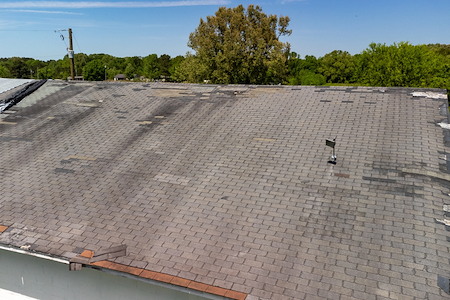
Winter in Atlanta can swing from cold rain to surprise ice, with gusty winds that batter shingles and flashing. If a recent storm rolled through Buckhead, Sandy Springs, Decatur, or anywhere across North Metro Atlanta, this guide will help you recognize the red flags so you can act before spring rains make things worse. For a careful, professional look, schedule a storm damage roofing inspection with a trusted local team.
Granules Piling Up in Gutters and at Downspouts
Those tiny sand-like grains on asphalt shingles are your roof's sunscreen. After hail, sleet, or strong wind, shingles can shed granules that wash into gutters and collect at the bottom of downspouts.
If you see sandy piles on the driveway or unusual dark patches where water exits, it can mean UV protection has thinned in spots. Left alone, those areas weather faster under late-winter sun and spring storms, which can shorten a roof's life.
Lifted, Creased, or Missing Shingles
Wind gusts around open corridors like West Midtown or along the Chattahoochee can pry at shingle edges. A lifted shingle may lie back down, but the seal can be broken. Creases that look like a folded page are another telltale sign that the wind stressed the shingle.
You might also notice tabs missing near ridges or edges. Even a small gap can let wind-driven rain find its way under the surface and into the decking.
Leaks or Fresh Stains After the Thaw
Freeze-and-thaw cycles open tiny pathways for water. When things warm up, check living spaces and the attic for new signs of moisture. Never ignore active drips or rapidly spreading stains. Early action helps keep a small issue from growing.
- Brown rings or shadows on ceilings and upper walls
- Peeling paint or bubbling drywall near the top of a room
- Musty odors that weren't there before the storm
Bent or Loose Flashing Around Chimneys and Walls
Metal flashing is the guardrail where shingles meet chimneys, skylights, dormers, and sidewalls. Strong wind or ice can pull it up or bend it just enough to let water slip behind. From the ground, look for metal that's lifted, wavy, or gapped at the edges.
Because flashing protects high-risk joints, even a small distortion matters. A quick professional check can confirm whether the seal is intact.
Dented Gutters, Vents, and Siding From Flying Debris
Hail and wind-tossed limbs can dimple soft metal. Round dents on gutters and roof vents often travel with shingle bruising. Siding damage can be a companion clue that the roof also took a hit.
Metal vents that look crushed or misshapen may not vent properly and could allow water to enter during sideways rain.
Sagging Lines or Soft Spots You Can See From the Attic
If a heavy branch hit the roof or water found a path, you may notice a subtle dip along the ridge or a wavy section on one plane. In the attic, light shining through nail holes is normal, but daylight at seams or soft, damp decking is not.
Structural changes often start small. Catching them now protects framing and insulation from ongoing moisture.
Ice at the Eaves and Edge Damage
Atlanta doesn't see long deep freezes, but quick cold snaps can create thin ice at the eaves. When that ice refreezes and expands, it can lift shingle edges or stress the starter course.
Look for brittle, cracked edges or uneven lines along the lower rows. These areas are the first to meet spring downpours and need to be solid.
Safety first: don't climb onto a slick or storm-damaged roof. View from the ground or the attic and let a pro handle the close-up work. A careful evaluation now can prevent interior repairs once spring showers settle in.
Branches, Punctures, and Debris Piles
Limbs scraped across shingles can remove protective granules or leave punctures that aren't easy to spot from the street. Debris piles in valleys slow water and push it sideways under shingle layers.
Any sign of a puncture or a valley packed with leaves and twigs deserves attention. Water that lingers here tends to find seams and fasteners.
Why Timing Matters Before Spring Rains
Our region often shifts to fast, soaking rains by March and April. Small winter storm issues become big leaks when the first strong system arrives. Acting now helps safeguard ceilings, flooring, and personal items before the wet season tests every square foot of your roof.
It also makes documentation easier if you choose to talk with your insurance company. Fresh photos and prompt notes right after a storm show a clear timeline.
How a Professional Storm Damage Roofing Inspection Helps
A qualified inspector knows where winter stress likes to hide. Beyond what you can see from the curb, a pro checks shingles, flashing, penetrations, ventilation, and attic conditions as a system. Partnering with an experienced Atlanta roofing company means you get trained eyes and a clear, written plan to move forward.
- Targeted documentation with photos of affected areas
- Moisture readings and attic observations where leaks might spread
- Prioritized recommendations so you know what needs attention first
What To Expect When You Call Elite Roofing Systems
First, a friendly coordinator will gather quick details about the storm event and your home's location, whether you're in Brookhaven, Grant Park, or elsewhere in North Metro Atlanta. Then we'll schedule a convenient appointment window and send a trained team to assess your roof system from edge to ridge.
During the visit, the inspector will review visible impacts, note risk areas, and explain findings in plain language. You'll receive photos and a step-by-step action plan so you can decide what's next with confidence.
If you see active water inside the home, place a bucket to catch drips and call right away. Quick attention limits damage to drywall, trim, and flooring while we line up the next steps.
Your Checklist: Signs To Watch for After a Winter Storm
As you walk your property after the weather clears, keep these items in mind and share what you find with your inspector:
- Loose shingle pieces, granules, or metal fragments on the ground
- New stains on ceilings or upper walls, especially near bathrooms or chimneys
- Gutters that look dented, loose, or pulling away at the corners
- Debris gathered in roof valleys or around skylights
Spotting even one of these signs is enough reason to call a pro. Early attention keeps spring storms from turning small issues into major repairs.
Book trusted help today so your roof is ready for the next round of Atlanta rain. Schedule your visit with Elite Roofing Systems, or call us at 770-217-1278 for fast support.